
In early February 2026, India and the United States officially announced a long-awaited interim trade deal, signaling a potential shift in the economic and strategic partnership between the world’s largest democracy and one of the largest economies globally. The deal, unveiled jointly by U.S. President Donald Trump and Indian Prime Minister Narendra Modi, promises to reshape trade flows, reduce tariffs, and expand cooperation across sectors ranging from energy and agriculture to technology and defense.
Background and Context
Bilateral trade between India and the United States has historically been substantial yet complex, shaped by tariffs, market access issues, and geopolitical considerations. Over the past decade, both countries have sought to balance trade opportunities with domestic economic priorities. The interim trade deal represents a stepping stone toward a broader framework intended to eventually increase bilateral trade significantly, while also enhancing strategic and defense cooperation.
For years, the trade relationship faced obstacles such as high U.S. tariffs on certain Indian goods and India’s diversified energy sourcing, including oil imports from Russia. President Trump’s administration, emphasizing “Buy American” policies, had previously imposed a 25% tariff on Indian energy products sourced from Russia. The new trade deal eliminates this tariff, reducing it to 18%, and promises to create avenues for increased U.S. exports to India.
Key Provisions of the Deal
The interim trade deal outlines several key provisions designed to expand bilateral trade and investment:
- Tariff Reductions: The deal reduces existing U.S. tariffs on Indian goods, creating more favorable conditions for Indian exporters. Similarly, India is expected to lower certain tariffs on U.S. products, though specific reductions are being phased in over time.
- Energy Cooperation: While the U.S. claimed that India would halt purchases of Russian oil under the deal, Indian authorities clarified that the country will prioritize its energy security needs. The deal encourages increased imports of U.S. energy products, including coal and liquefied natural gas, without compromising India’s strategic energy sourcing decisions.
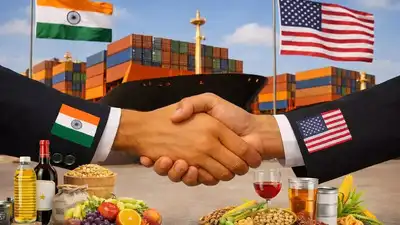
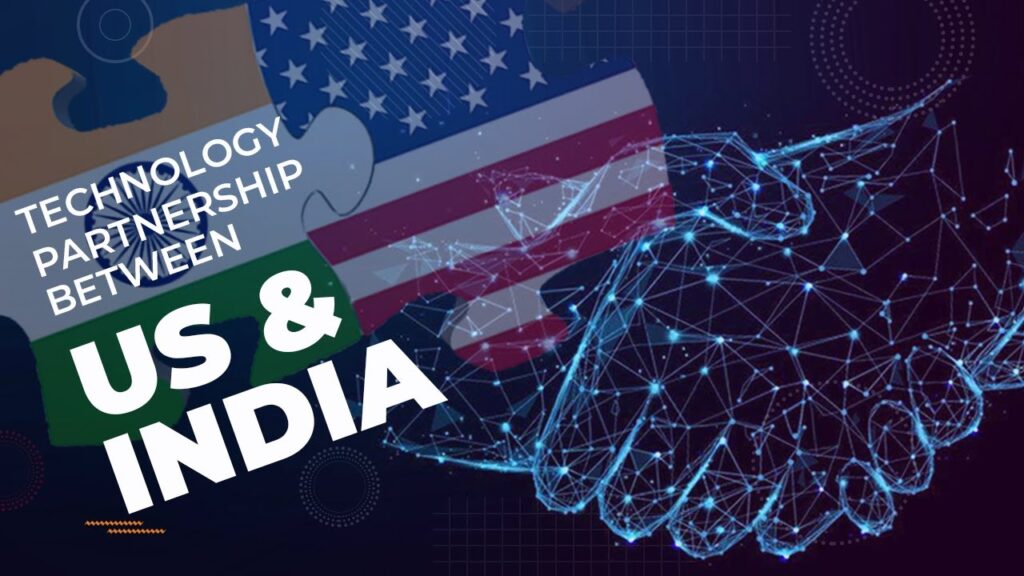
- Agriculture and Technology Trade: The framework aims to boost U.S. agricultural exports to India and opens the door for Indian technology firms to expand in the U.S. market. Provisions include streamlined market access and reduced barriers for both sectors.
- Monitoring and Enforcement: To ensure compliance, the U.S. Secretary of Commerce will monitor India’s energy sourcing commitments. Non-compliance could result in reimposition of tariffs, providing a mechanism to enforce trade rules.
- Defense and Strategic Cooperation: Beyond trade, the deal includes a framework for enhancing defense cooperation over the next decade, reflecting the broader strategic partnership between the two nations.
Economic Implications
Economists and trade analysts see the interim deal as potentially transformative for both economies. For India, the agreement opens access to the U.S. market for key exports such as textiles, pharmaceuticals, and technology services. For the U.S., the deal strengthens market opportunities for agricultural products, energy exports, and high-tech equipment.
The $500 billion figure cited by U.S. officials has sparked discussion in India. Commerce Minister Piyush Goyal clarified that this figure represents an aspirational target rather than a binding commitment, emphasizing that India’s trade decisions will continue to prioritize domestic economic needs and energy security for its 1.4 billion population.
Domestic Reactions in India
The announcement has elicited mixed reactions across India. While government officials and industry groups have lauded the deal as a historic opportunity to increase exports and attract foreign investment, farmers’ unions and opposition parties have raised concerns about potential exposure to U.S. agricultural products. They argue that while Indian exports may gain market access, domestic producers could face increased competition, necessitating protective measures in sensitive sectors.
Prime Minister Modi’s administration has emphasized that the deal protects domestic agricultural interests and creates export opportunities for India’s farm products, including tea, spices, and mangoes. The government maintains that all trade measures will be balanced against the country’s long-term development and strategic priorities.
U.S. Perspective
From the U.S. side, the deal reflects a broader effort to strengthen ties with India as a strategic partner in Asia. By reducing tariffs and encouraging U.S. energy exports, the administration aims to reinforce economic interdependence while leveraging trade as a tool for geopolitical alignment. The emphasis on “Buy American” and enhanced defense cooperation underscores the dual economic and strategic rationale behind the agreement.
President Trump highlighted the deal as a demonstration of both leaders’ ability to “get things done,” framing it as a practical achievement that combines economic benefit with broader strategic alignment. The removal of the 25% tariff on energy products from India is portrayed as a confidence-building measure that could facilitate smoother trade negotiations in the future.
Global and Strategic Context
The India–U.S. interim trade deal occurs in a complex global environment, where energy security, supply chain diversification, and geopolitical alliances play crucial roles. India’s continued engagement with Russia for energy purchases has been a sensitive issue for the U.S., but New Delhi has reiterated that its energy sourcing decisions are driven by market realities and the imperative to ensure domestic energy security. The interim deal provides a framework for dialogue and monitoring, without compromising India’s sovereign decision-making.
Strategically, the agreement aligns with ongoing collaborations such as joint military exercises, defense technology exchanges, and regional security partnerships. It also signals to other global powers that India and the U.S. are strengthening ties across economic and defense dimensions, which could have broader implications for Indo-Pacific stability and global trade networks.
Challenges and Future Prospects
While the deal marks a milestone, challenges remain. Domestic stakeholders in India, particularly farmers and industry groups, may seek assurances on market protection. Negotiations will need to balance trade liberalization with safeguarding critical sectors. Similarly, the U.S. will monitor India’s compliance with energy sourcing commitments and other trade provisions to ensure the agreement delivers mutual benefit.
Looking ahead, the interim deal is expected to serve as a precursor to a more comprehensive bilateral trade agreement. Both countries have expressed a commitment to expanding trade beyond interim measures, addressing issues such as intellectual property, digital commerce, and supply chain integration. If successful, the full-fledged agreement could significantly increase bilateral trade volumes, strengthen economic resilience, and enhance strategic alignment.
Conclusion
The India–U.S. interim trade deal represents a significant step in bilateral relations, blending economic opportunity with strategic partnership. By reducing tariffs, opening new market avenues, and setting a framework for energy, agriculture, and technology cooperation, the agreement reflects a pragmatic approach to complex global and domestic challenges. While certain aspects, such as energy sourcing and agricultural exposure, remain sensitive, the overall trajectory points toward a deeper, more resilient partnership.
As both nations navigate domestic pressures, international expectations, and evolving geopolitical dynamics, the interim trade deal could become a cornerstone for sustained economic growth and strategic collaboration. It underscores the importance of balancing national priorities with global engagement, and highlights the potential for trade agreements to serve as instruments of both economic and diplomatic progress