




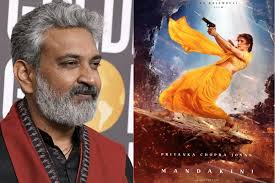
The Indian film industry is entering a transformative phase, marked by projects that combine regional storytelling with global cinematic techniques. At the forefront of this evolution is S. S. Rajamouli, a director whose previous films—Baahubali and RRR—have redefined the scale and reach of Indian cinema. His upcoming venture, tentatively titled SSMB 29 or GlobeTrotter, is poised to continue this trend, blending Indian cultural motifs, modern action, and international appeal.
The film brings together Mahesh Babu, one of Telugu cinema’s most bankable stars, and Priyanka Chopra Jonas, whose global presence adds international gravitas. This collaboration represents a convergence of regional cinema expertise and global star power, signaling a project that aims for both domestic and worldwide recognition.
Understanding the Film’s Significance
At first glance, GlobeTrotter appears to be a high-octane adventure film. However, its potential impact goes beyond entertainment:
- Pan-Indian Collaboration: By featuring actors from different industries—Telugu, Bollywood, and Malayalam—the film illustrates the growing trend of cross-industry collaboration, breaking linguistic and regional barriers.
- Global Filmmaking Standards: Shooting in international locations, investing in advanced visual effects, and managing a massive budget exceeding ₹1,000 crore, the project reflects Indian cinema’s aspiration to compete with global blockbusters.
- Female Representation: Priyanka Chopra’s character, Mandakini, is designed as a strong, action-oriented female protagonist, moving away from stereotypical romantic roles. This signals a shift in how Indian films portray women in action and adventure genres.
In essence, the film is as much about elevating Indian cinema on the global stage as it is about storytelling.
The Creative Team and Their Vision
S. S. Rajamouli has consistently combined visual grandeur with narrative depth. His work demonstrates that mythology and modern action can coexist, creating films that resonate emotionally while offering spectacle. In GlobeTrotter, he appears to continue this philosophy by integrating adventurous, almost mythic storytelling with global cinematic aesthetics.
Mahesh Babu’s Role: Reports suggest he plays a rugged explorer with elements inspired by classical Indian heroes like Lord Hanuman, blending mythic traits with relatable human characteristics. This approach reflects a growing trend in Indian cinema: embedding cultural motifs within globally recognizable genres.
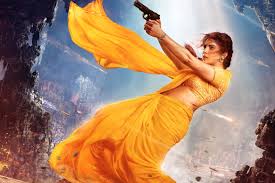
Priyanka Chopra as Mandakini: The first-look poster emphasizes her as a strong, self-reliant character. She wields a gun, stands in dramatic landscapes, and carries an aura of independence, signaling that Mandakini will be central to the plot rather than a supporting character. This development aligns with a broader global movement to present women as equal partners in adventure and action narratives.
Prithviraj Sukumaran, another key cast member, is likely portraying the antagonist, highlighting a pan-Indian approach to storytelling by blending talent from multiple regional industries.
Filmmaking Techniques and Global Appeal
The production techniques of GlobeTrotter indicate a deliberate move towards international standards:
- Location Shooting: Outdoor sequences are reportedly being shot in Africa, Odisha, and Hyderabad, offering diverse natural backdrops. Location selection not only adds visual grandeur but also immerses audiences in a world beyond studio confines.
- Visual Effects (VFX): Given Rajamouli’s history with VFX-heavy films like Baahubali, one can anticipate extensive digital augmentation, especially for action sequences and myth-inspired moments.
- Budget and Scale: With a budget exceeding ₹1,000 crore (USD ~$135 million), the film ranks among the highest in Indian cinema history. This financial commitment indicates not just ambition but also confidence in a global market for Indian cinema.
Such techniques reflect a deliberate effort to position Indian cinema alongside international blockbusters, appealing to both domestic and overseas audiences.
Storytelling Elements
Though the plot remains largely under wraps, early indications suggest a fusion of adventure, mythology, and modern action:
- Exploration and Mythology: Mahesh Babu’s character is reportedly an explorer, navigating treacherous landscapes and encountering challenges inspired by mythic tales. This fusion makes Indian cultural narratives accessible to global audiences while retaining local authenticity.
- Action and Female Agency: Mandakini’s portrayal as a strong, armed protagonist demonstrates a shift in storytelling, where female characters are integral to the narrative rather than secondary. Such representation aligns Indian cinema with global trends in character-driven action films.
- Pan-Indian Cultural Integration: The film combines actors from multiple linguistic backgrounds, mythological references, and universally relatable adventure themes. This approach broadens the audience base while fostering cultural exchange within the cinematic ecosystem.
Broader Implications for Indian Cinema
GlobeTrotter exemplifies several emerging trends in Indian filmmaking:
- Globalized Storytelling: Indian films increasingly incorporate universal genres like action-adventure while retaining cultural specificity.
- Cross-Industry Collaboration: By blending talent from multiple regional industries, the film creates a pan-Indian identity and strengthens domestic unity within cinema.
- Women in Lead Roles: Mandakini’s character signals a paradigm shift, showing women as central drivers of adventure narratives, a concept still relatively rare in mainstream Indian cinema.
- International Market Focus: With high-budget production values and global shooting locations, the film is designed to appeal to international audiences, including the diaspora and non-Indian viewers.
These elements demonstrate that Indian cinema is evolving from a regional entertainment industry into a global cultural force, capable of storytelling that resonates worldwide while maintaining its unique identity.
Anticipation and Challenges
While excitement is high, the film faces significant challenges:
- Story Cohesion vs. Spectacle: Balancing a visually spectacular film with a coherent, engaging story is critical. Past blockbusters have faltered when visual grandeur overshadowed narrative depth.
- High Expectations: Rajamouli’s reputation and the star power of Mahesh Babu and Priyanka Chopra create immense pressure to deliver both critically and commercially.
- Execution of Female Agency: Mandakini’s character has to live up to her initial hype, portraying strength, complexity, and relevance within the plot.
- Global Market Competition: The film will compete with Hollywood and other international productions for attention, requiring precise marketing, dubbing, and distribution strategies.
Success in these areas could make GlobeTrotter a benchmark for Indian cinema, influencing future storytelling, character development, and production standards.
Conclusion
GlobeTrotter (SSMB 29) is more than just a film; it represents a strategic evolution in Indian cinema. By combining Rajamouli’s visionary direction, Mahesh Babu’s mass appeal, Priyanka Chopra’s global recognition, and a pan-Indian cast, the project embodies ambition, scale, and innovation.
The film promises breathtaking adventure, mythic undertones, and strong female representation, signaling that Indian cinema is not only ready to entertain but also to educate and inspire global audiences about the richness of its storytelling tradition.
If successful, GlobeTrotter could redefine what Indian films can achieve on the world stage, marking a step toward truly global cinema that is proudly rooted in Indian culture and mythology.