
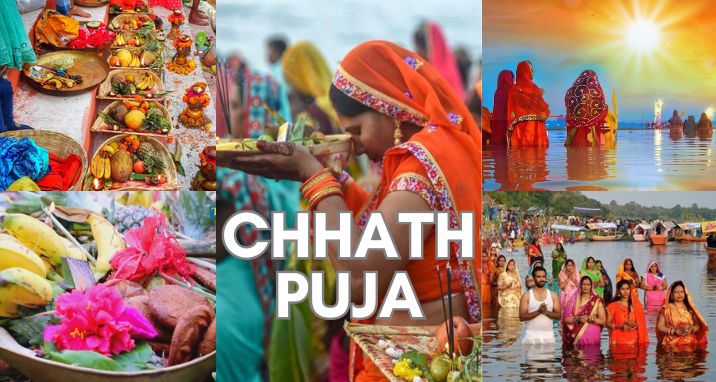

🌄 Introduction: What Is Chhath Puja?
It’s a four-day festival observed with great purity, faith, and fasting. Devotees thank the Sun for sustaining life on Earth and pray for the health, prosperity, and happiness of their loved ones. In recent years, Chhath Puja has gained global recognition, celebrated by Indian communities across the world.
🙏 The Four Days of Chhath Puja
1. Nahay Khay – The Beginning of Purity
The first day, known as Nahay Khay, marks the start of Chhath Puja. Devotees take a sacred bath in rivers or ponds, often in the Ganges, to purify their body and soul. After cleaning their homes and surroundings, they prepare a simple meal — usually lauki-bhaat (bottle gourd with rice) cooked in bronze utensils using holy Gangajal (Ganga water). This meal signifies the beginning of the fast and purity of the coming days.
2. Kharna (Lohanda) – The Day of Fasting
On the second day, devotees observe a day-long nirjala fast (without water). In the evening, they break the fast after sunset by offering gur ki kheer (sweet porridge made with jaggery and milk), chapati, and bananas as prasad. Once this ritual is complete, they begin a 36-hour continuous fast without food or water, showing immense faith and willpower.
3. Sandhya Arghya – Worshipping the Setting Sun
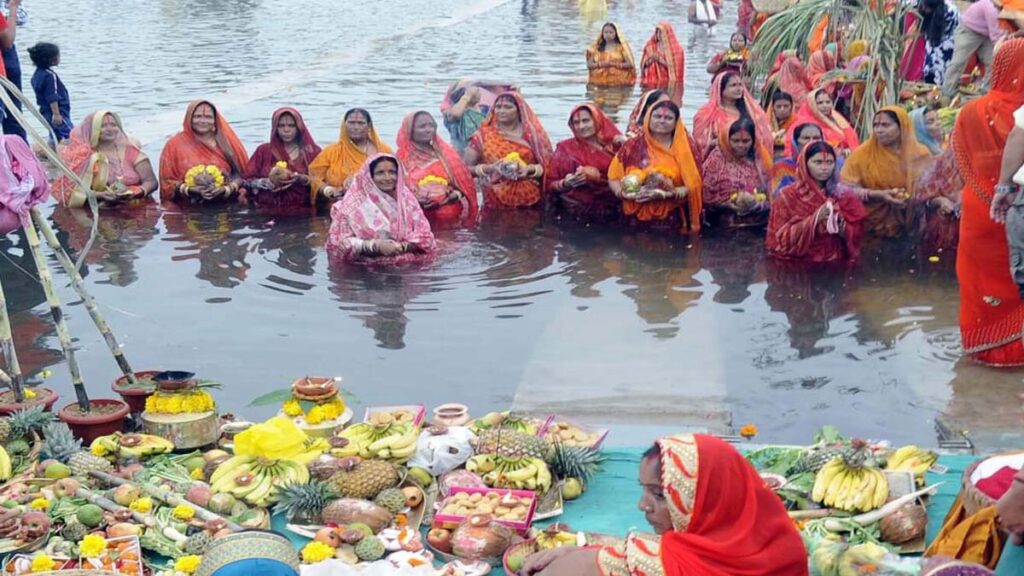
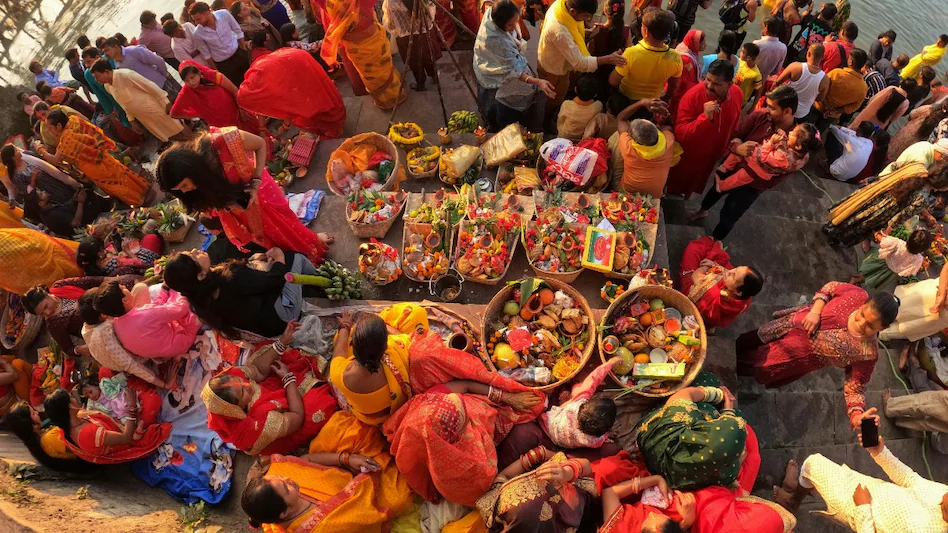
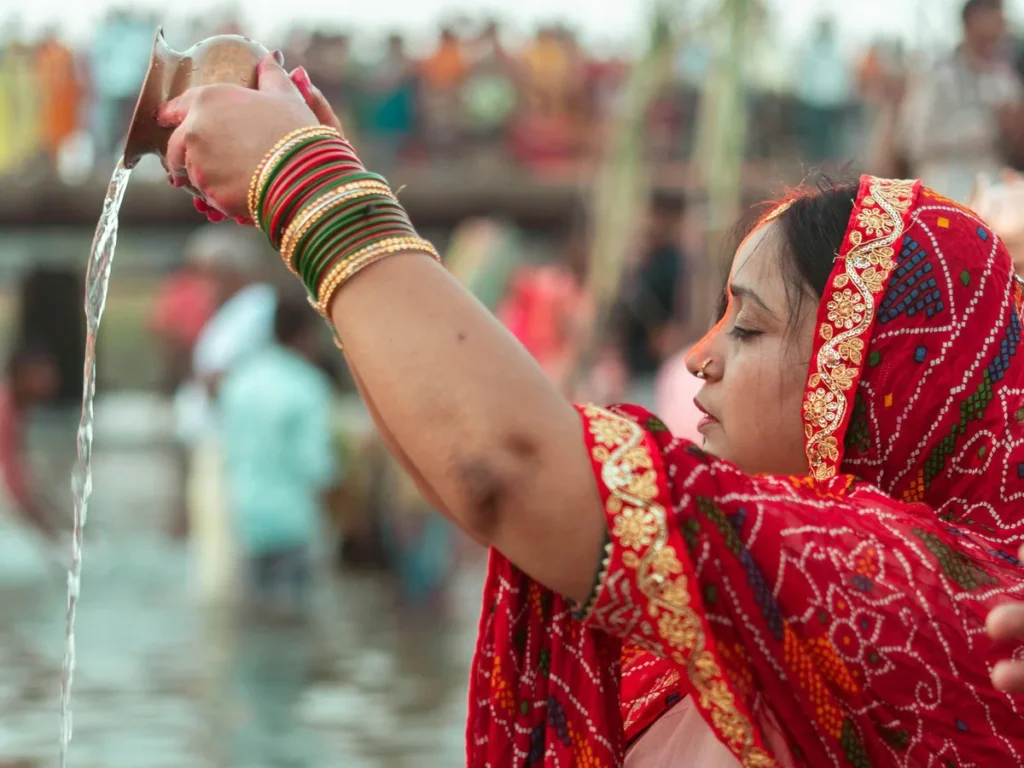
The third day is the most vibrant and beautiful part of Chhath Puja. In the evening, devotees gather at riverbanks or ghats to offer Arghya (water offering) to the setting sun. The offerings, kept in bamboo baskets (soop), include thekua, sugarcane, fruits, coconuts, and diyas (lamps). Thousands of devotees stand waist-deep in water, singing traditional Chhath songs and chanting praises of Surya Dev and Chhathi Maiya.
The entire scene glows with the reflection of lamps and the golden hues of the sunset — a symbol of purity, devotion, and harmony with nature.
4. Usha Arghya – Greeting the Rising Sun
The final morning marks the Usha Arghya, where devotees offer prayers to the rising sun. This symbolizes the continuation of life and the start of a new day filled with hope and positivity.
The Significance of Chhath Puja
Chhath Puja goes beyond rituals; it represents a bond between humans and nature. Devotees express gratitude to the Sun, the ultimate source of energy, for sustaining life on Earth.
Spiritual and Cultural Importance:
Purity and Discipline: Devotees maintain strict cleanliness and mental discipline during the four days.
Health Benefits: Sun worship and water rituals are believed to have detoxifying and healing effects.
Environmental Awareness: Chhath promotes respect for rivers, cleanliness of ghats, and sustainable practices.
Family Prosperity: Women often observe this fast for their family’s well-being, prosperity, and happiness
Mythological Background of Chhath Puja
1. The Ramayana Connection
After returning to Ayodhya from exile, Lord Ram and Goddess Sita observed Chhath Puja to thank the Sun God for guiding them during their journey.
2. The Mahabharata Legend
According to the Mahabharata, Draupadi and the Pandavas performed Chhath rituals to regain their lost kingdom and seek divine blessings from Surya Dev.
3. Vedic Roots
The Rigveda, one of the oldest Hindu scriptures, contains hymns dedicated to Surya Dev, highlighting early forms of sun worship and the practice of offering Arghya at dawn and dusk.
Cultural Essence of Chhath Puja
Chhath Puja is not just a religious event; it’s an emotional and cultural celebration filled with folk songs, traditional foods, and community bonding.
- Chhath Geet: Devotees sing soulful folk songs like “Kaanch Hi Baans Ke Bahangiya” and “Patna Ke Ghat Par”.
- Prasad (Offerings): Thekua (sweet wheat flour cookies) and fruits are offered to Surya Dev and distributed as sacred food.
- Decorated Ghats: Riverbanks are cleaned and decorated with lights and diyas. Volunteers and local communities work together to ensure safety and hygiene during the festival.
Where and How It’s Celebrated
- Uttar Pradesh: Cities like Varanasi, Prayagraj, and Gorakhpur witness thousands of devotees offering Arghya.
- Nepal’s Terai Region: Chhath Puja is one of the biggest festivals here, celebrated with the same devotion.
- Metro Cities: In Delhi, Mumbai, and Kolkata, artificial ponds and riverbanks are created for devotees to perform rituals safely.
Traditional Offerings and Symbols
| Symbol | Meaning |
|---|---|
| 🌞 Sun God (Surya Dev) | Source of life and positive energy |
| 🪣 Arghya (Water Offering) | Gratitude to nature’s power |
| 🍪 Thekua | Symbol of simplicity and devotion |
| 🪔 Diyas (Clay Lamps) | Purity, light, and hope |
| 🌾 Fruits & Sugarcane | Fertility, growth, and abundance |
Conclusion
Chhath Puja is not just a festival — it’s a journey of faith, self-purification, and gratitude. It connects humanity with nature, teaching the value of simplicity, discipline, and devotion. Every year, as the ghats of Bihar and the banks of the Ganga light up with thousands of diyas, the message of Chhath Puja shines bright — “Worship the Sun, embrace purity, and live with gratitude.”
By Chandan Sharma 10-27-2025